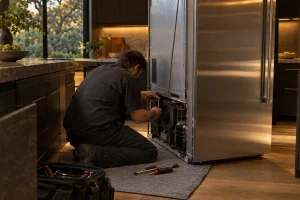
Refrigerator Repair in San Francisco
Diagnosis and repair for built-in Dacor refrigerators across San Francisco and the Bay Area, including French-door, side-by-side, bottom-freezer and column models.

Specialized Dacor Appliance Repair in San Francisco
Mon–Sat: 8:00 AM – 7:00 PM
Find your Dacor refrigerator type, learn which complaints are worth a visit and see what to check before you book.
Dacor repairSan Francisco & the Bay Area
Dacor refrigerators in Bay Area kitchens are usually built in, sitting flush with the cabinet run or dressed in a panel to match it. That look is the reason these units are hard to move for a quick inspection, and it is also why a clear picture of the symptom helps before anyone arrives. This guide covers the refrigerator types we diagnose and repair, how to read your label, and what to do first. For the repair itself, see Dacor refrigerator repair.
Dacor has built refrigerators in several layouts, and we see all of them in San Francisco flats, condos and hillside houses. The models below show the spread:
If your model is not on that list, we can still help. Older Epicure, Preference and Discovery units remain in daily use across the city, and the label tells us what we need.
The label is usually on an inside wall of the fresh-food compartment, or along the door frame near the hinge side. On a panel-ready unit the door may hide nothing, but opening it fully and looking at the cabinet side wall normally reveals the sticker. Photograph it so the number is readable, and write down the serial line too. Having both ready means the first call is shorter and the right technician is assigned.
Warm food is the loudest complaint, but several different faults hide behind it. A fridge that is warm while the freezer stays cold often points to the way cold air is shared between sections, which is a different diagnosis from a unit that is warm everywhere. Frost building on the back wall of the freezer suggests the defrost cycle is not clearing the evaporator coil. Water pooling under the crisper drawers usually follows a blocked defrost drain. Loud clicking, buzzing or rattling can come from a fan, the compressor area, or something loose in the cabinet.
Our troubleshooting articles go deeper on the three most common ones: Dacor refrigerator not cooling, Dacor refrigerator warm but freezer cold and Dacor refrigerator making noise. Ice and water problems on a unit with a dispenser are covered under Dacor ice makers.
We have no verified code meanings on file for Dacor refrigerators, so we do not guess at what a display flash means. If your unit shows a code, write it down exactly with the model number and describe what the refrigerator was doing when it appeared. That is far more useful to the technician than a guessed diagnosis.
Start with the plain things. Confirm the unit has power and that the breaker or GFCI outlet has not tripped. Close the doors fully and check that the gasket seals against the frame with no gaps. Make sure food or a bin is not holding a door or drawer open, and keep the vents inside the compartments clear. If the unit has a water filter, check that it is seated and replaced on schedule. One controlled power reset, with the unit off for a short while and then restored, is acceptable.
Do not remove back or kick-plate panels, do not touch the sealed cooling system, and do not chip ice off the evaporator. If you smell burning or see sparks, switch the refrigerator off at the breaker and call us.
If the checks above change nothing, or the same fault returns, book a diagnosis through the refrigerator service page. A technician finds the cause first, you receive a written estimate, and nothing is repaired until you approve it. Moving food to another fridge while you wait protects it better than hoping the unit recovers.
Yes. Built-in and panel-ready units are the norm in the kitchens we visit. Tell us about the surround and whether the unit can be pulled forward so we plan the access.
The lineup includes side-by-side, bottom-freezer, French-door, column and 36-inch Epicure and Preference models, listed above. Older units we have not named are still welcome.
Not necessarily. It can come from how cold air reaches the fresh-food side or from a defrost problem. A technician separates those causes during diagnosis.
Usually on the inside wall of the fresh-food compartment or on the door frame. Photograph it clearly before you call.
Keep food safe by moving it elsewhere. Leave the unit alone until it is looked at, and switch it off at the breaker if you notice burning smells.
Diagnosis and repair for built-in Dacor refrigerators across San Francisco and the Bay Area, including French-door, side-by-side, bottom-freezer and column models.
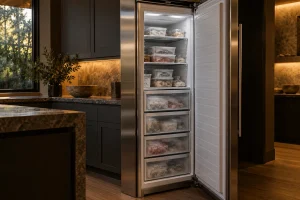
Dacor column freezers in three widths, usually paired beside a column refrigerator. What goes wrong, where the label sits and what to…
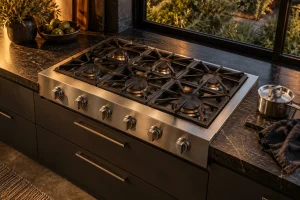
Gas, electric and induction Dacor cooktops and rangetops: the models, where labels sit, common faults and the induction codes we hold.
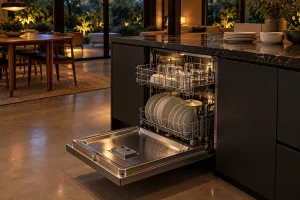
Built-in Dacor dishwashers in the Bay Area: five 24-inch models we list, where to find the label, display codes and checks you…
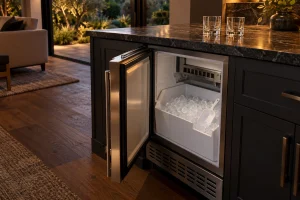
Ice makers in Dacor kitchens, from slow production and hollow cubes to water leaks at the bin. What a technician checks and…
Share a few details and we’ll confirm an appointment. Prefer to talk? Call us and we’ll help right away.